Five Organizations Launch New Network to Accelerate Seafood Sustainability Across East Asia
21 October, 2026 - Tokyo, Japan — A vision and guiding light for addressing the complex and interconnected challenges facing our oceans, food systems, and fish workers has shown bright from the epicenter of seafood in East Asia. Five organizations today announced at The Sustainable Seafood Summit (TSSS) the launch of BEACON — the Blue East Asia Collaborative for Ocean Networks — a new initiative to connect organizations and stakeholders working on fisheries and seafood sustainability.
The implications for BEACON and its ambition extend far beyond the region. Production, trade, jobs, and seafood markets in East Asia underpin global food and economic systems and have major implications for global sustainability, livelihoods, and ocean health. According to the FAO, Asia accounts for 76% of global seafood production and Asian countries account for 85% of direct employment in the global fisheries and aquaculture sector. China alone exported approximately US$20 billion in aquatic products in 2024, with Japan, the United States, and South Korea among its leading export markets.
Yet the organizations and industries that influence East Asian fisheries sustainability, oversee governance, and produce seafood often work separately, disconnected from one another.
“East Asia is central to the global seafood system, but the work to make fisheries more sustainable is often fragmented across countries and sectors,” said Wakao Hanaoka, Founder/CEO of Seafood Legacy. “BEACON is designed to connect sustainability efforts across East Asia. It brings organizations together to align, build on existing expertise, and ensure decisions across the seafood system reinforce one another.”
What BEACON will do
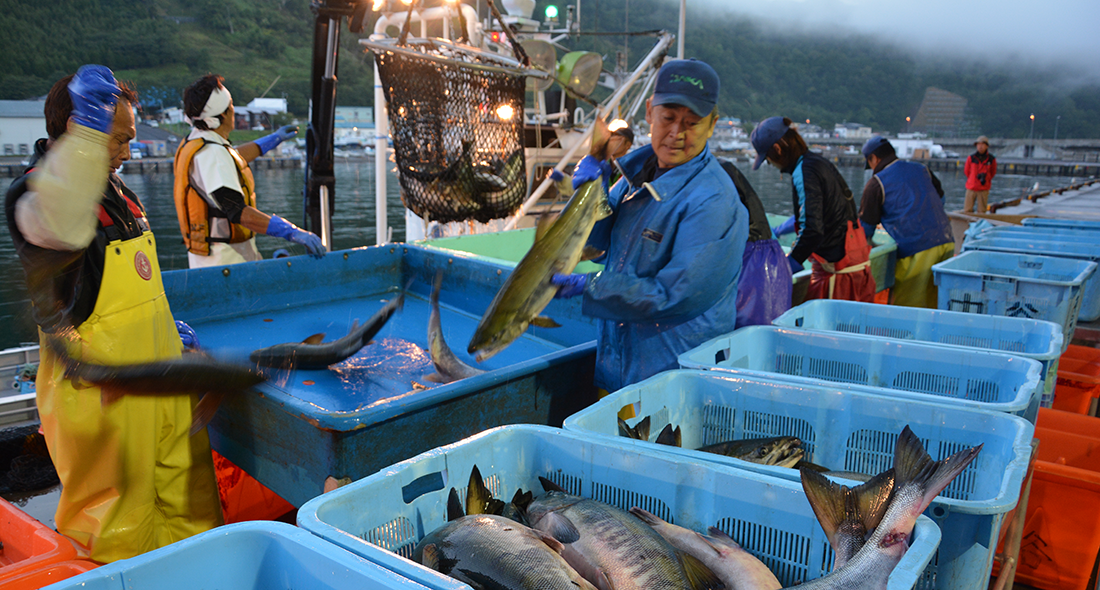
Founded by Qingdao Marine Conservation Society (QMCS), Hong Kong Sustainable Seafood Coalition (HKSSC), Ocean Outcomes (O2), DearOcean, and Seafood Legacy (SFL), BEACON brings together regional partnerships, projects, and capacity spanning Mainland China, Hong Kong, Taiwan, South Korea, and Japan. BEACON will advance six connected areas of work:
- Science and evidence: Bring together relevant research and identify priority information gaps.
- Seafood supply chains and markets: Connect seafood companies and supply-chain actors around sourcing, traceability, due diligence, and supplier engagement.
- Financial risk and engagement: Support financial institutions with more usable information and indicators for understanding fisheries-related risks.
- Fisheries and aquaculture improvement: Connect producers and other stakeholders with practical pathways to improve fishing and aquaculture practices.
- Ecosystem approach to fisheries governance: Help communicate evidence and implementation insight into appropriate scientific and regional management processes.
- Monitoring and learning: Track collective progress and identify lessons to inform future work.
“BEACON is not about creating another organization to do the work others are already doing,” said Songlin Wang, Founder and President of Qingdao Marine Conservation Society. “It is about connecting existing expertise and relationships around shared fisheries priorities, so that science, industry engagement, and implementation can work together more effectively across our region.”
Why alignment matters
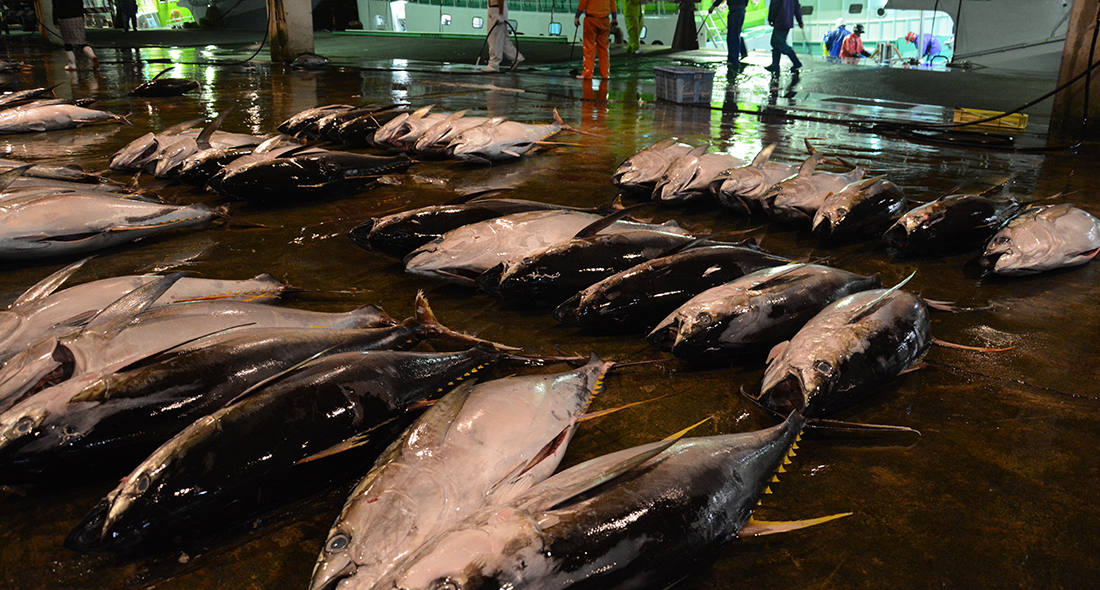
Fisheries sustainability depends on more than good science or better fishing practices in a single fishery or on a single vessel alone. Improvements must be feasible for producers, understood by seafood buyers, supported by credible information, and informed by relevant management processes. And the work has to span the entire fishery system — across production, markets, finance, science, and governance.
BEACON strengthens these links. For example, scientific evidence can help identify fisheries priorities; practical improvement work allows producers to respond; supply-chain engagement can clarify expectations; implementation experience can inform governance discussions; and financial institutions can use better information to assess and mitigate fisheries-related risks.
“Producers need clear, credible pathways to improve, while buyers and financial institutions need better information to recognize progress and make informed decisions,” said Woojin Chung, Founder of DearOcean. “BEACON will work to connect these needs, helping strengthen the relationship between responsible action, credible evidence, and market and financial decisions.”
This is particularly important and relevant for international seafood markets. FAO reports that more than one-third of global seafood is traded internationally, and that Europe and North America are major net-importing regions for seafood. The sustainability of fisheries connected to East Asian production and trade therefore has significant implications for businesses, consumers, and food systems well beyond the region.
A regional initiative built on local relationships
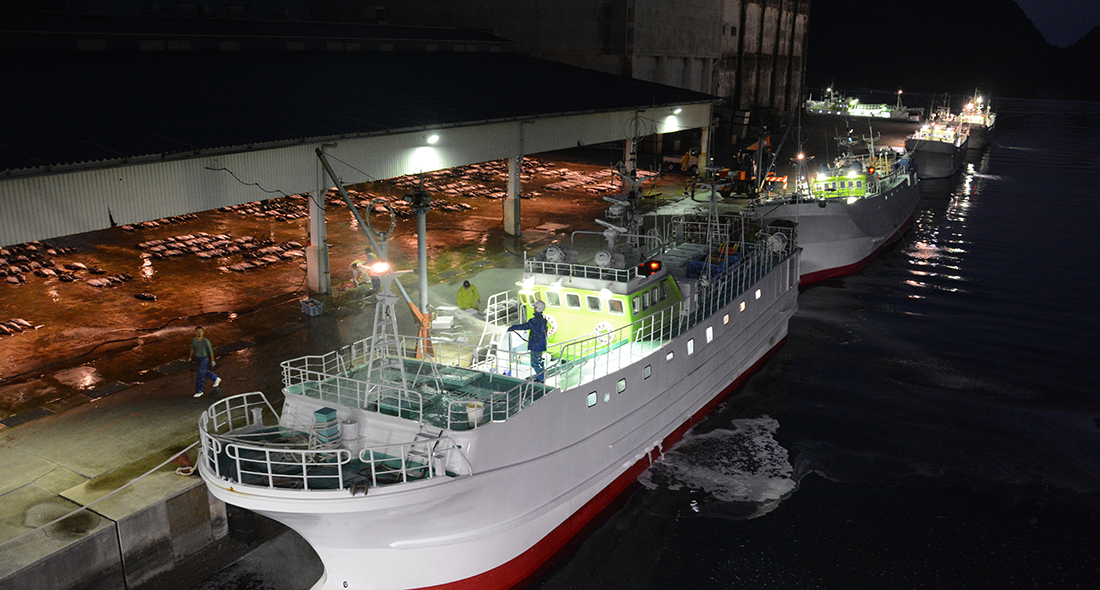
BEACON’s five founding members bring distinct expertise and established relationships in their respective geographies. The initiative is designed to combine that local knowledge with regional coordination — recognizing that fisheries, seafood supply chains, and management challenges cross borders, while solutions must ultimately reflect local conditions for them to be successful.
“Regional collaboration only works when it is grounded in local realities,” said Mandy Wong, Secretariat of Hong Kong Sustainable Seafood Coalition. “Each founding organization brings different relationships and perspectives. BEACON connects those strengths so we can work toward shared goals while remaining rooted in the communities, markets, and fisheries where change needs to happen.”
This collaborative approach is intended to complement, not replace, the work of governments, regional fisheries management organizations, scientific institutions, seafood businesses, civil society, and fishing communities. Instead, BEACON will help connect relevant stakeholders, evidence, and implementation experience to support progress through existing processes.
“We are building a way for organizations across East Asia to work together more effectively,” said Kelly Harrell, Executive Director of Ocean Outcomes. “By connecting science, implementation experience, and markets regionally, we aim to influence seafood production globally and help to turn shared sustainability agendas into reality.”
Additional Resources