Putting Fishing Communities First
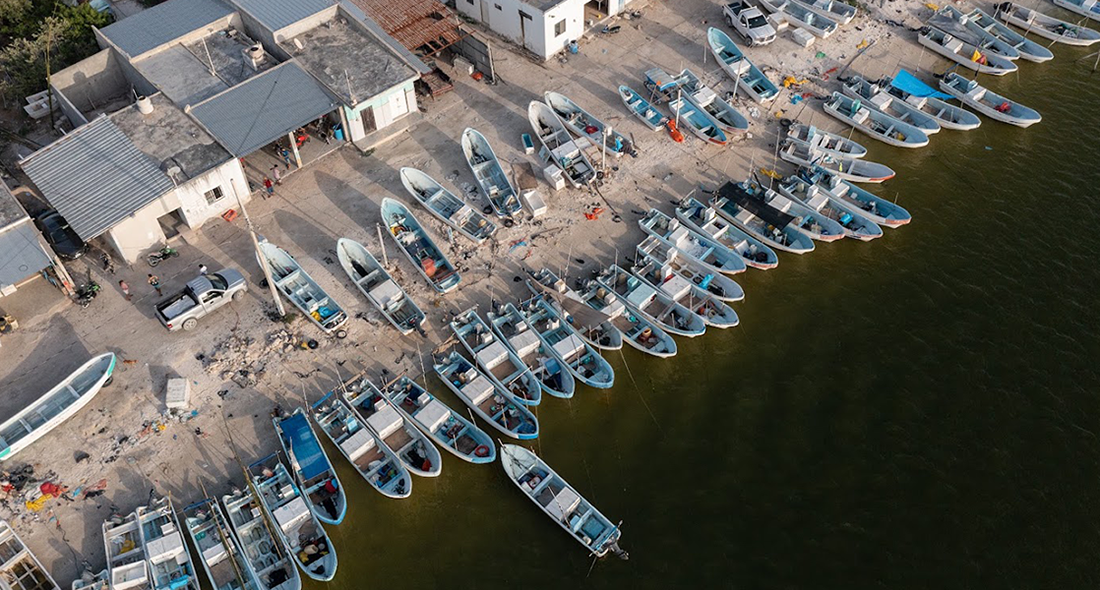
Small-scale fisheries support millions of people around the world.
They provide food security, livelihoods, and a sense of cultural identity that stretches back generations in coastal communities across the globe.
Yet many of the sustainability initiatives and market-based tools built to improve fisheries were designed with large, export-oriented operations in mind. The result is a gap: fishing communities that are central to healthy oceans and coastal economies are often left out of the very improvement pathways meant to support them.
A newly published journal article, Beyond Commodities: Centering Communities in Fisheries Improvement Efforts, explores an alternative approach: Community-based Fishery Improvement Projects (C-FIPs), developed to put communities, not commodities, at the center of fisheries improvement.
It’s hard to overstate the scale and significance of small-scale fisheries: research cited in the article shows they account for roughly 40 percent of the global catch and employ 90 percent of the world’s fishers and fish workers, with women making up nearly half of that workforce. In the Americas alone, an estimated 17.7 million people depend on small-scale fisheries for their livelihoods, either directly or indirectly.
What is a Community-Based Fishery Improvement Project (C-FIP)?
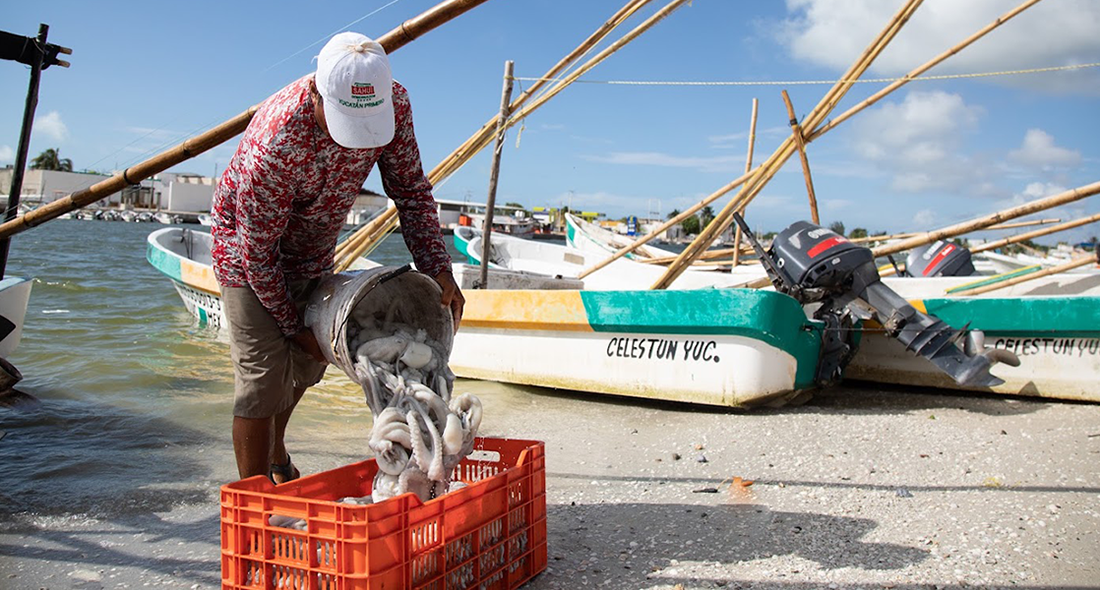
Traditional Fishery Improvement Projects (FIPs) have driven real environmental progress over the last two decades. But they typically rely on seafood buyers in the U.S. or Europe to fund assessments and improvements. That funding model works best in export-oriented, high-value fisheries like tuna, shrimp, and cod, where access to international markets creates strong incentives for change. It works less well for small-scale, multi-species fisheries that serve local and domestic markets.
C-FIPs, on the other hand, take a different approach. They are built around bottom-up efforts led by local fishing communities. They use domestic and local market linkages, and integrate social, environmental, and economic needs, rather than treating fisheries sustainability as only an ecological issue.
The model builds on the Triple Impact Fisheries Evaluation Framework, which O2 co-developed in 2020 alongside Conservation International, SmartFishAC, and Wilderness Markets. The framework was developed to evaluate needs, design improvement plans, and monitor and publicly report progress against the environmental, economic, and social dimensions of sustainability.
Turning Assessments Into Action
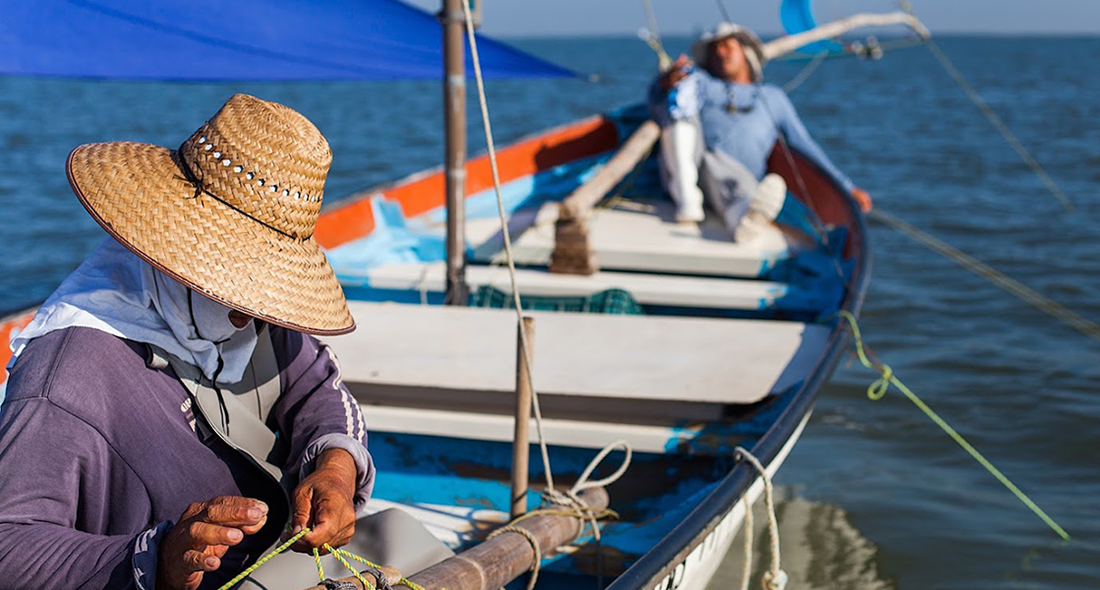
Every C-FIP starts with an assessment, but the model is built around what happens next.
Technical services alone don’t drive change; communities do. The right technical support, tools, and long-term partnerships create the conditions communities need to lead improvements that last. Depending on local priorities, C-FIP improvement plans can target changes such as:
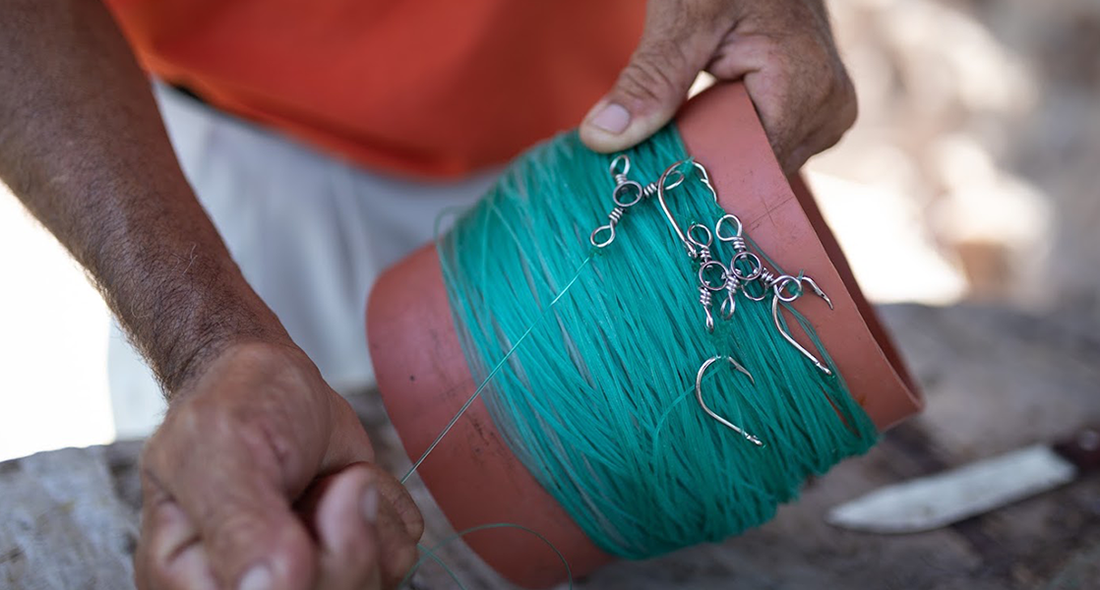
- Environmental improvements: lower-bycatch fishing methods, minimum size limits, biological monitoring, and digital tracking of fishing trips.
- Economic improvements: stronger cold chain infrastructure or practices, better product handling, and market diversification.
- Social and governance improvements: improved working conditions, stronger fisher organizations, greater community participation in decision-making and contributions to local governance.
Importantly, success is not defined the same way everywhere. The article emphasizes that improvements should be rooted in local context and co-defined with participating fishing communities.
Costa Rica: A Case Study
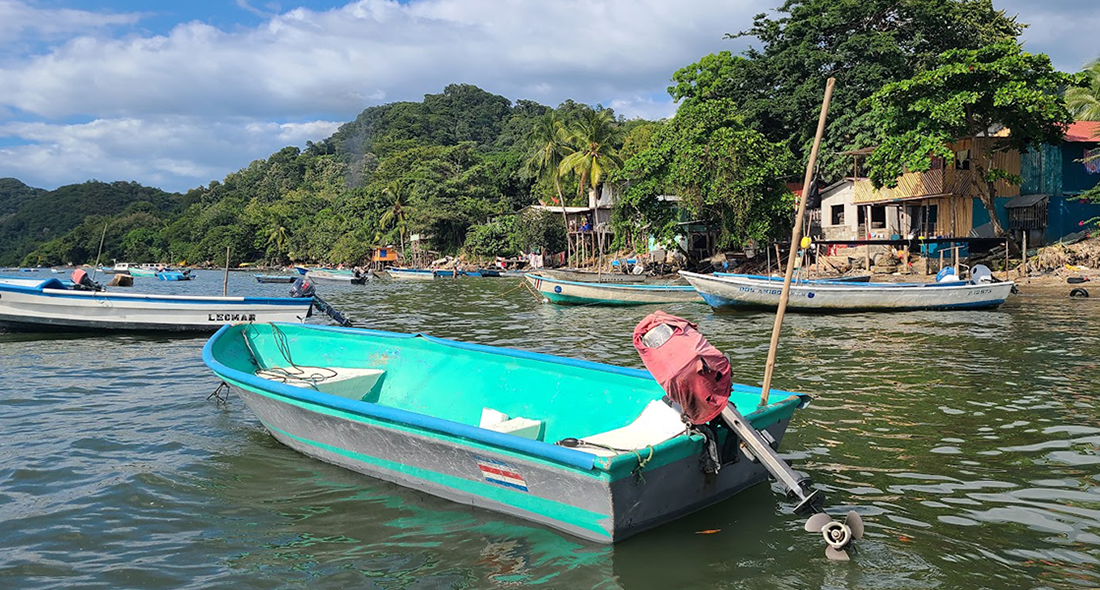
Costa Rica offers one of the clearest examples of the model in practice.
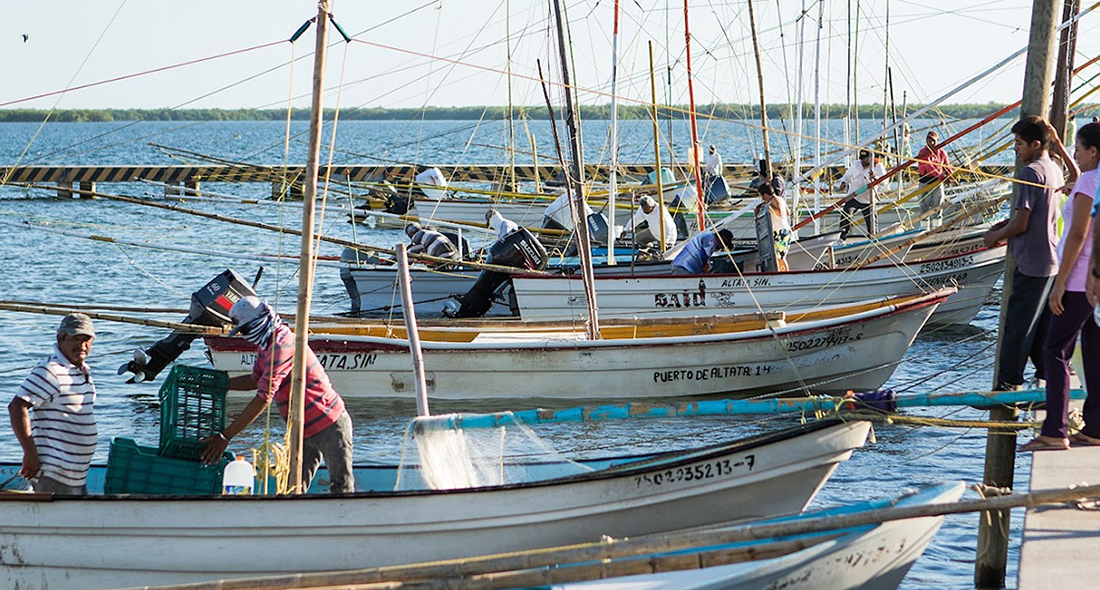
C-FIP work began in the summer of 2019 with five communities along Costa Rica’s Pacific Coast. These communities faced a familiar set of challenges: outdated information on their target species, limited management efforts that had overlooked their economic and social needs, and fragmented supply chains that kept fishers from capturing the value of strong local demand.
Conservation International Costa Rica worked with O2 to bring the C-FIP model to these communities. Together, they carried out the first assessments, co-designed improvement plans directly with fishers, and rolled the work out alongside the launch of CI’s EcoGourmet program, connecting fishing organizations to commercial partners committed to fair, transparent purchasing. The resulting plans included lower-impact gear, minimum size limits, extended off-seasons, and investments in the cold storage and processing infrastructure needed to meet those partners’ standards.
Over four years, five fisher organizations representing roughly 115 fishers committed to 35 environmental improvement activities. Progress was supported by digital tracking of 25,800 fishing trips from 50 boats and biological monitoring of another 450 trips.
Fishers participating through EcoGourmet also saw an average 40 percent increase in profits compared with a reference intermediary price, while new systems for traceability, quality and sustainability took hold.
As one participant put it, they were glad to see their own wellbeing treated as part of the conservation work, “instead of the only focus on protecting species or habitats.” The process wasn’t without friction. For example, an early 68-indicator assessment proved too heavy to sustain every six months — a significant reporting burden for participating communities and project teams. Over time, partners agreed to streamline the approach, reducing the number of indicators and instead directing more resources toward implementing priority actions.
This work is still evolving.
The Costa Rica C-FIPs are designed around an adaptive, cyclical process, with improvement plans treated as living documents rather than one-time fixes. Full self-sustainability isn't the immediate goal — the focus is on building the organizational, governance, and operational foundations that will eventually allow fishing communities to lead independently. On Chira Island, for example, one fishing association has taken a more direct role in governance of its Marine Area for Responsible Fishing and engaged local fisheries authorities in reviewing the area around it.
Environmental outcomes will take longer to measure. But ongoing biological monitoring, more sustainable fishing practices and stronger compliance with management measures are creating a foundation for longer-term improvement.
Lessons Learned
A few lessons stand out, both from the Costa Rica experience and broader C-FIP work in Colombia and Peru.
- Build on trust. Strong community relationships create the foundation for meaningful participation, shared priorities and locally led change.
- Stay flexible. Community needs and circumstances change, so improvement plans and the tools used to guide them need to evolve too.
- Strengthen local capacity. Lasting improvement depends on communities having the skills, organization and decision-making power to increasingly lead the work themselves.
- Think long term. Changes in livelihoods, governance and fishery health don't happen on the same timeline. C-FIPs require continued learning and adaptation rather than a fixed endpoint.
Looking Ahead: Building More Resilient Small-Scale Fisheries
Longer-term monitoring will be needed to understand whether improvements in governance, livelihoods and resource health persist over time, and how community-level approaches can be effectively replicated and integrated into broader fisheries management systems. The article also identifies remaining questions around scalability, policy integration and the long-term financial sustainability of community-led improvements.
Those questions extend well beyond Latin America.
Across O2’s work, including in East Asia, community engagement, governance, livelihoods, markets, and environmental sustainability are rarely separate challenges. The C-FIP experience offers one model for approaching those challenges as interconnected parts of the same system — while keeping the people who depend on fisheries at the center of the process.
Read the full article: Beyond Commodities: Centering Communities in Fisheries Improvement Efforts