East Asia's Sustainable Seafood Movement Taking Center Stage
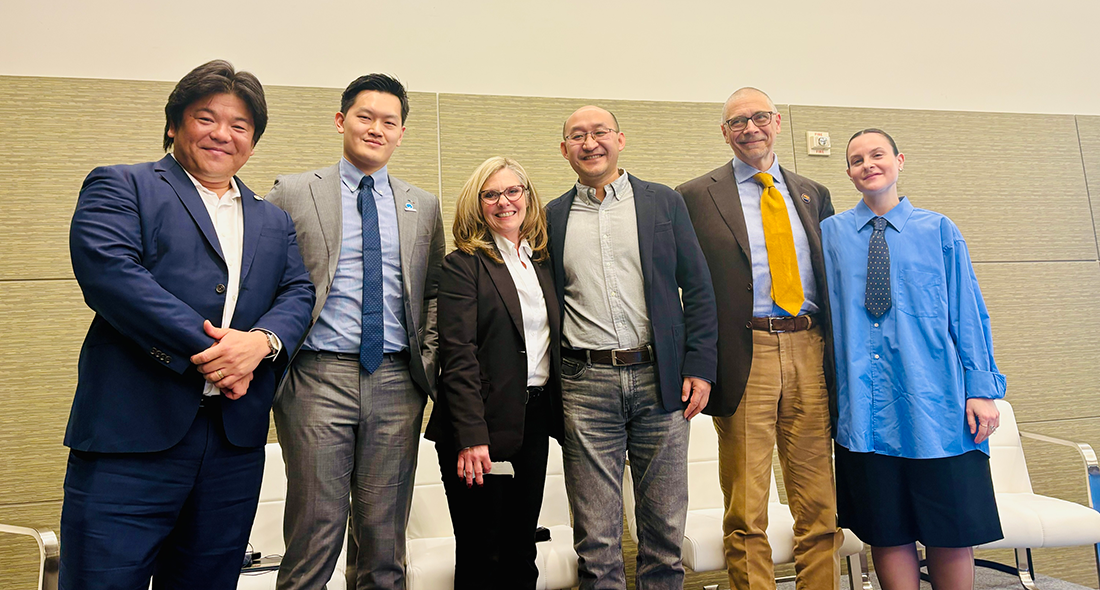
East Asia accounts for nearly half of global seafood production and consumption.
The seafood produced there also supplies markets across the United States, Europe, and beyond. Yet for years, sustainable seafood conversations have often treated East Asia as a secondary player—a region to be influenced, rather than one driving innovation and leadership.
But that narrative is shifting. Across Japan, Taiwan, South Korea, Hong Kong, and mainland China, a growing network of NGOs, industry leaders, policymakers, and community organizations are advancing practical solutions to some of the seafood sector’s most pressing challenges. These solutions span electronic monitoring and traceability to human rights due diligence and fisheries government reform.
These solutions being applied in East Asian contexts, insights from those working there, and innovative regional projects are helping to shape the future of seafood production. The question is no longer whether East Asia will play a central role in the global seafood sustainability movement. It’s how the rest of the world will engage with the momentum already underway.
Introducing the East Asia Exchange
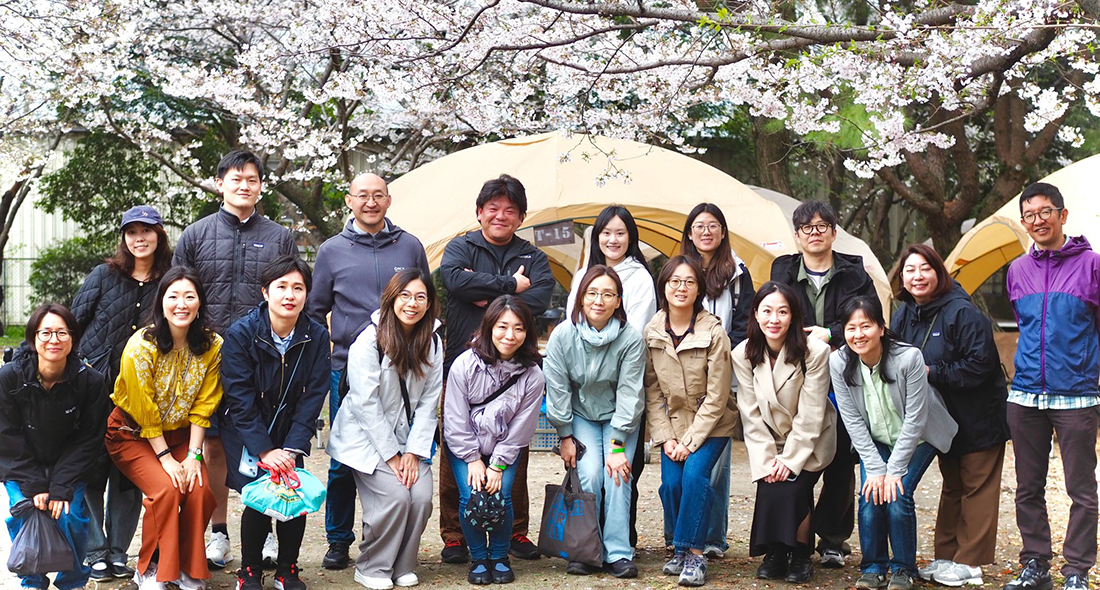
The East Asia Exchange is a nine-month series of in-person and virtual conversations designed to do just that. In these dialogues, East Asia-based leaders share their work, connect with global partners, and highlight solutions to the region’s most urgent seafood sustainability priorities.
Co-led by the Conservation Alliance for Seafood Solutions (CASS) members based in the region—including Ocean Outcomes, Qingdao Marine Conservation Society, Hong Kong Sustainable Seafood Coalition, and Seafood Legacy—the series launched in February of this year and will run through October, culminating in an in-person convening at the Tokyo Sustainable Seafood Symposium (TSSS).
Each session spotlights a different market or theme. Topics are chosen and discussions led by regional experts who understand the context, challenges, and opportunities firsthand. The goal goes beyond information sharing into “creating long-term symbiotic relationships between East Asian seafood leaders and the global movement,” according to organizers.
Energy and Engagement at Seafood Expo North America
The momentum behind the East Asian Exchange was on full display in March at Seafood Expo North America (SENA) in Boston, where the series held its first in-person session.
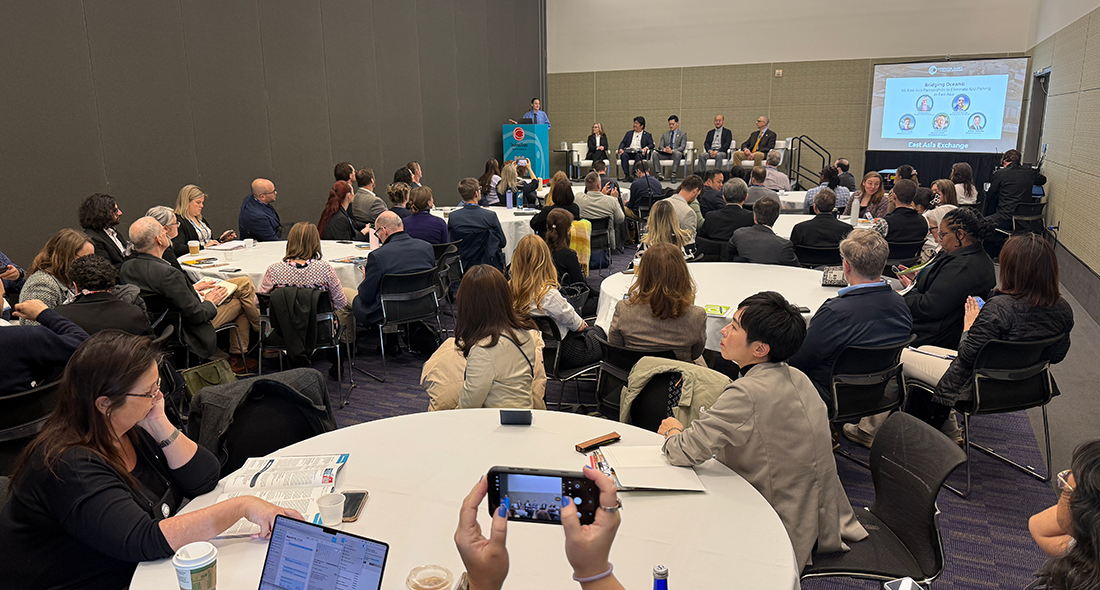
The panel “Bridging Oceans: U.S.-East Asia Partnerships to Eliminate IUU Fishing in East Asia” drew a standing-room-only crowd. Organized by the Walton Family Foundation and featuring speakers from Seafood Legacy, Ocean Outcomes, Qingdao Marine Conservation Society, PanaPesca, and Oddisea SuperFrozen, the session explored how U.S. buyers and East Asian producers can work together to strengthen traceability, reduce illegal fishing, and advance sustainability across supply chains.
Wakao Hanaoka, CEO of Seafood Legacy, framed the opportunity clearly:
"As fishing regulations tighten in Japan, it is not uncommon for small-scale fishers to push back. But by offering the right incentives, I believe they can become active participants in sustainable fisheries. Equally important is ensuring that the markets buying Asian seafood understand just how critical the demand for sustainable seafood is—this is key to driving real change on the water, across Japan and Asia as a whole."
Speaking from the perspective of on-the-water implementation, O2’s very own Ho-Tu Chiang (Taiwan Fisheries Senior Manager) echoed the sentiment:
“As an organization that works directly with supply chain partners, including suppliers, fishermen, vessel owners, processors, and local traders, we are seeing firsthand a significant momentum in the industry. There is a growing, genuine interest in understanding how environmental sustainability and social responsibility can strengthen operations, improve on-the-water activities, and support long-term business goals."
Formalizing Regional Partnerships to Scale Impact
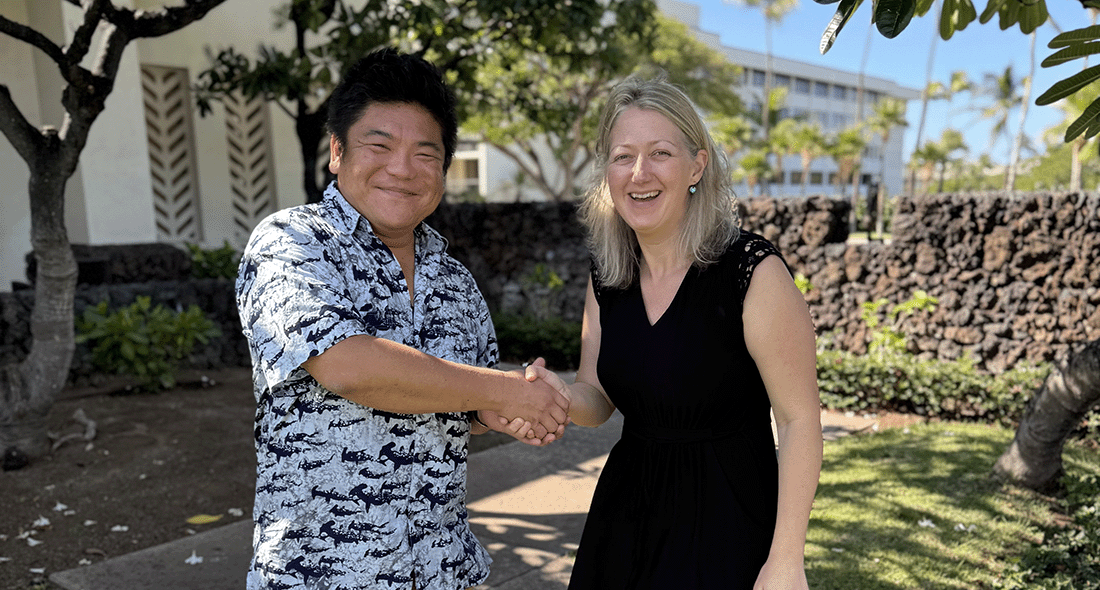
The conversations happening through the East Asia Exchange aren't just about sharing information, they're catalyzing deeper, more formalized collaboration across the region. As stakeholders connect through these sessions and in-person gatherings—like the one in Boston—they're identifying opportunities to align efforts, leverage complementary expertise, and build the kinds of sustained partnerships that can operate at the scale these challenges demand.
One example: earlier this year, Ocean Outcomes and Seafood Legacy signed a Memorandum of Understanding to deepen collaboration across Japan, Taiwan, and South Korea on human rights due diligence, electronic monitoring, traceability, and broader market transformation. The partnership leverages O2's on-the-water project experience and Seafood Legacy's market leadership in Japan to create a more coordinated regional approach to advancing sustainability across East Asian supply chains.
It's exactly the kind of partnership the East Asia Exchange is designed to enable—bringing together organizations with distinct but complementary strengths, creating space for dialogue, and translating that dialogue into coordinated action.
Innovation on the Water: Connecting Crews and Vessels in Majuro
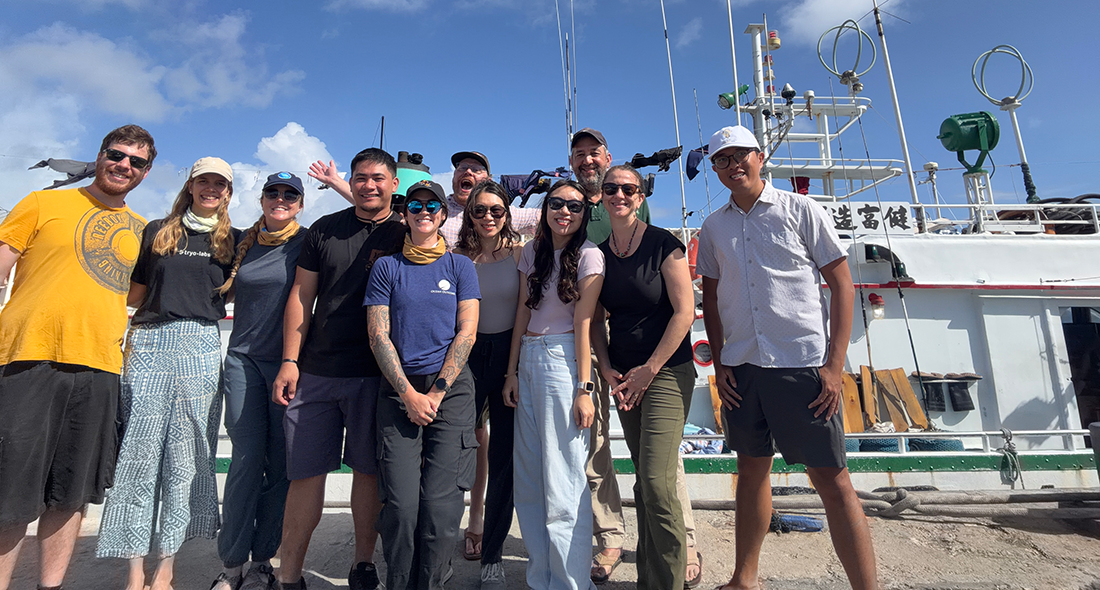
Conventions like the East Asia Exchange create space for dialogue, but they also serve another critical function: they surface and amplify the innovations already happening on the water across the region. Recently, O2 and our project partners traveled to Majuro, Marshall Islands as part of the EMC4C (Electronic Monitoring and Connectivity for Crews at Sea) initiative. This collaboration is testing how electronic monitoring and onboard Wi-Fi can support both environmental monitoring and crew welfare.
In February, the team installed EM and Wi-Fi systems on three industrial longline tuna vessels, trained 43 Indonesian migrant crew members and three captains on their use, and conducted in-depth interviews to better understand how connectivity can reduce isolation and improve working conditions at sea.
Together, we also established a first-of-its-kind binding agreement between vessel owners and crew governing Wi-Fi access, and formed a Crew Committee with crew-nominated leaders to ensure workers have ownership over how these systems function. As the team noted in a recent update:
“Technology only matters when it strengthens people's ability to work safely and with dignity," the project team noted in a recent update. The crew's openness and willingness to test new tools have shaped every part of our approach’s goals."
The Majuro work is part of a broader effort to demonstrate that electronic monitoring, which is most often discussed as an environmental tool, can also advance social responsibility goals when paired with crew-centered design and equitable access to communication. Connecting these efforts to global dialogues allow practitioners to share lessons from field-based projects. And through forums like the East Asia Exchange, they're not just reporting their progress, they're offering proof of concept and valuable insights that can inform approaches elsewhere.
What’s Next for the East Asian Exchange
This series continues through October of this year, with sessions spotlighting Japan, China, Taiwan, and Hong Kong. Each will feature regional experts sharing lessons from the field, highlighting innovations, and exploring how cross-regional collaboration can accelerate progress.
Upcoming sessions include:
China Spotlight – May 2026
Taiwan Spotlight – June 2026
Hong Kong Spotlight – July 2026
In-person convenings at CASS CON (September) and TSSS Tokyo (October)
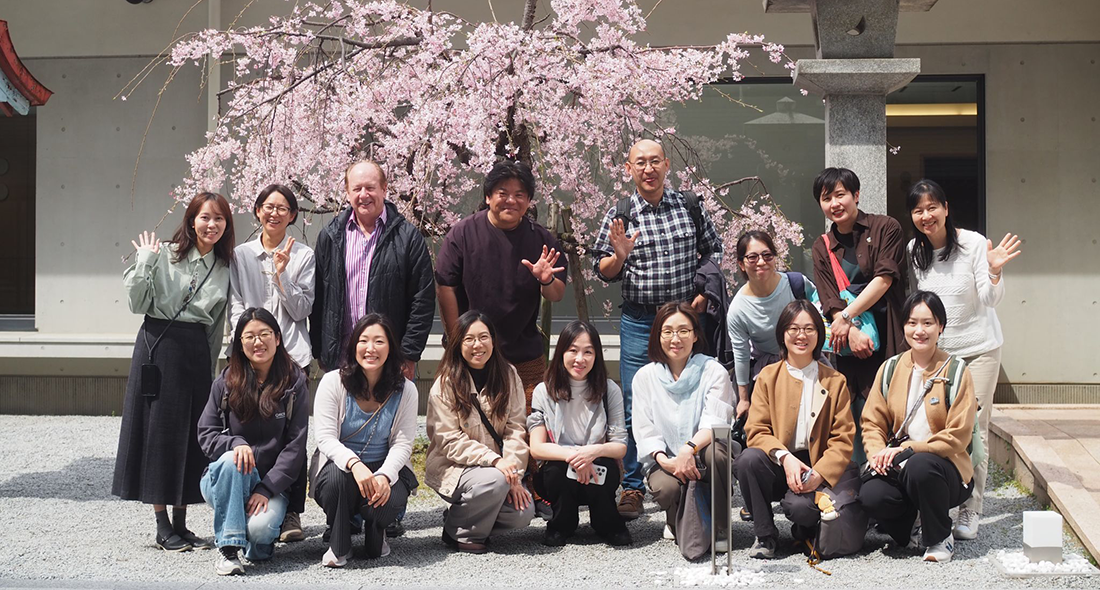
The series is open to anyone interested in understanding and supporting the sustainable seafood movement in East Asia. Whether you’re a seafood buyer, policymaker, researcher, or NGO practitioner, these sessions offer direct access to the people shaping change in one of the world’s most important seafood regions.
Progress in fisheries takes time, trust, and presence. The East Asia Exchange is creating the conditions for all three: connecting regional leadership with global collaboration, translating standards into practice, and ensuring that the people closest to the work have a platform to lead.